BioMonWeek 2026: Biodiversity monitoring, FAIR data, and long-term infrastructures
Written by Allan T. Souza
In the beginning of May, I had the opportunity to attend the 2026 edition of BioMonWeek in Montpellier, France, bringing together researchers, research infrastructures, and policy-oriented initiatives working on biodiversity monitoring across Europe and beyond. The event highlighted how rapidly the field is evolving through the integration of long-term ecological research, sensor networks, citizen science, AI-assisted monitoring, and FAIR data infrastructures.
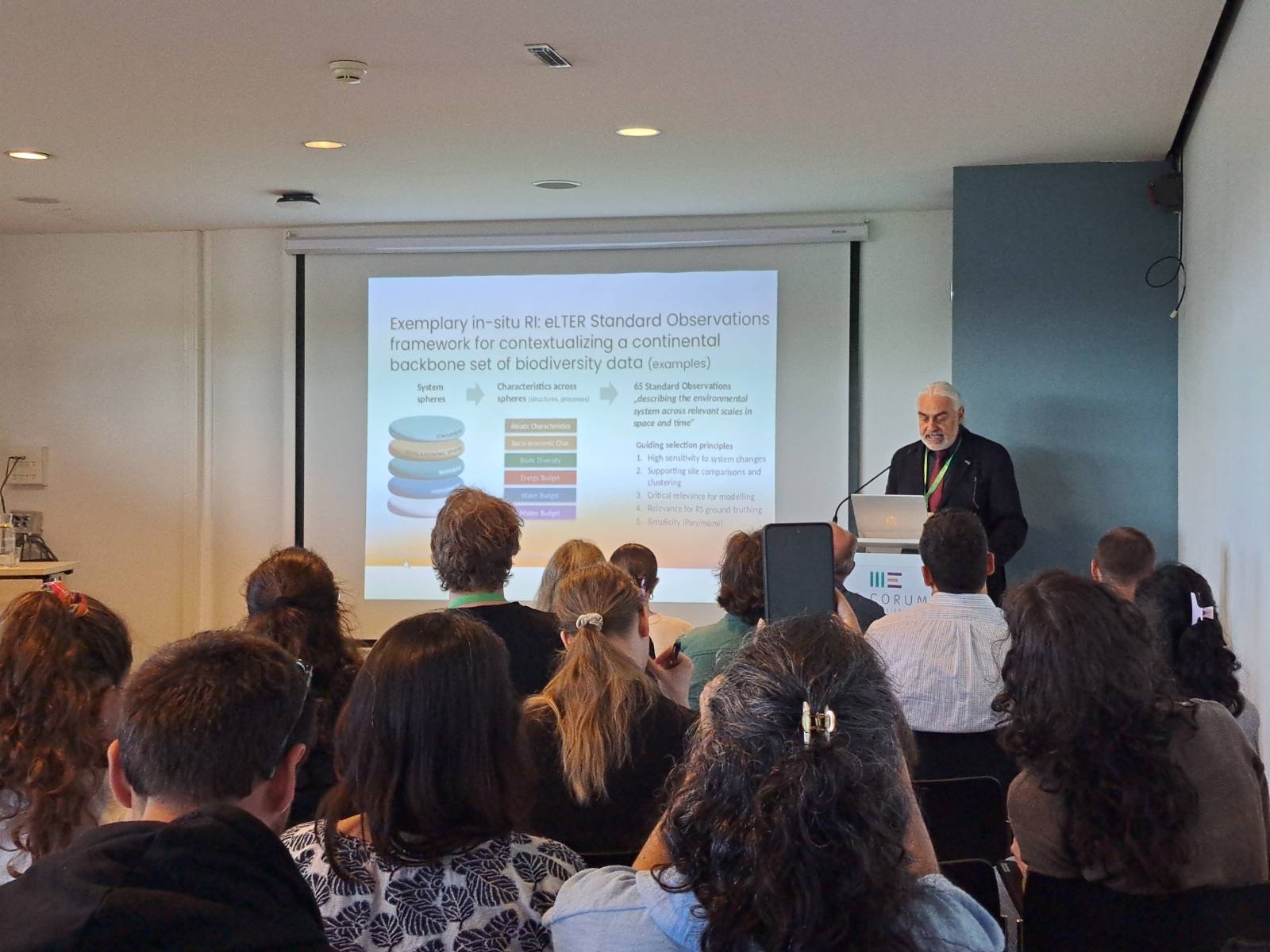
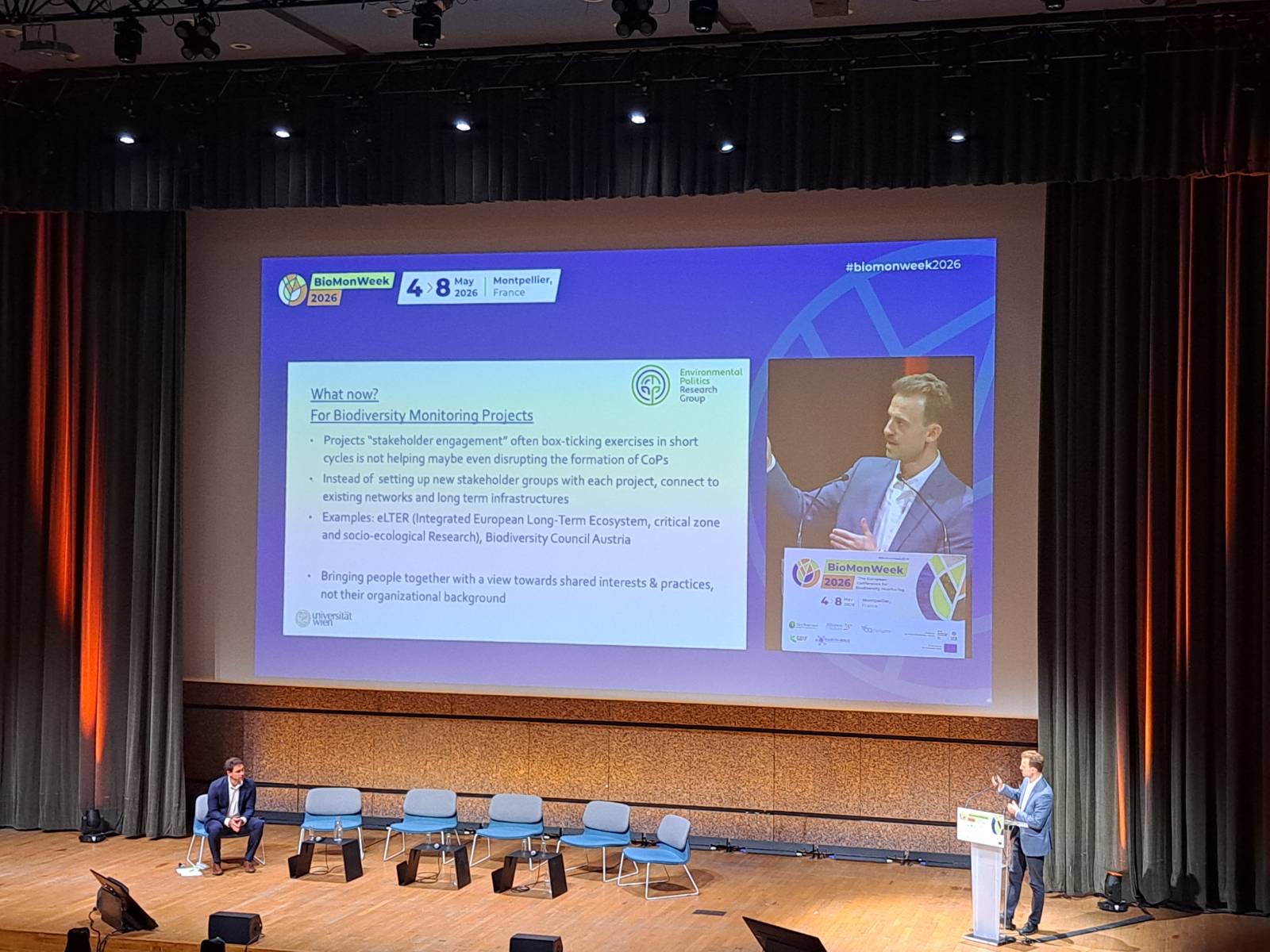 Presentation by Arne Uranüs from uWien mentioning eLTER
The event had representatives of marine, freshwater and terrestrial biodiversity experts. One of the strongest recurring themes throughout the week was interoperability and the growing importance of shared standards and infrastructures. Several presentations emphasized the role of FAIR principles as a foundation for scaling biodiversity observation systems and connecting heterogeneous monitoring initiatives across regions and disciplines. Discussions around the Biodiversity Knowledge Hub, standard observations (eLTER and TERN), and biodiversity monitoring frameworks reinforced the need for coordinated, long-term approaches capable of supporting both scientific research and policy demands.
The conference showcased a remarkable diversity of monitoring approaches and technologies. Posters and talks explored topics such as acoustic monitoring combined with machine learning, multimodal biodiversity sensing, animal sensor networks, eDNA metabarcoding, and citizen science observatories. I was particularly interested in examples where AI and large-scale environmental sensing are being integrated into operational biodiversity workflows, including automated species recognition from sound and image data, infrastructure-based acoustic monitoring, and multimodal data platforms designed to support FAIR biodiversity research.
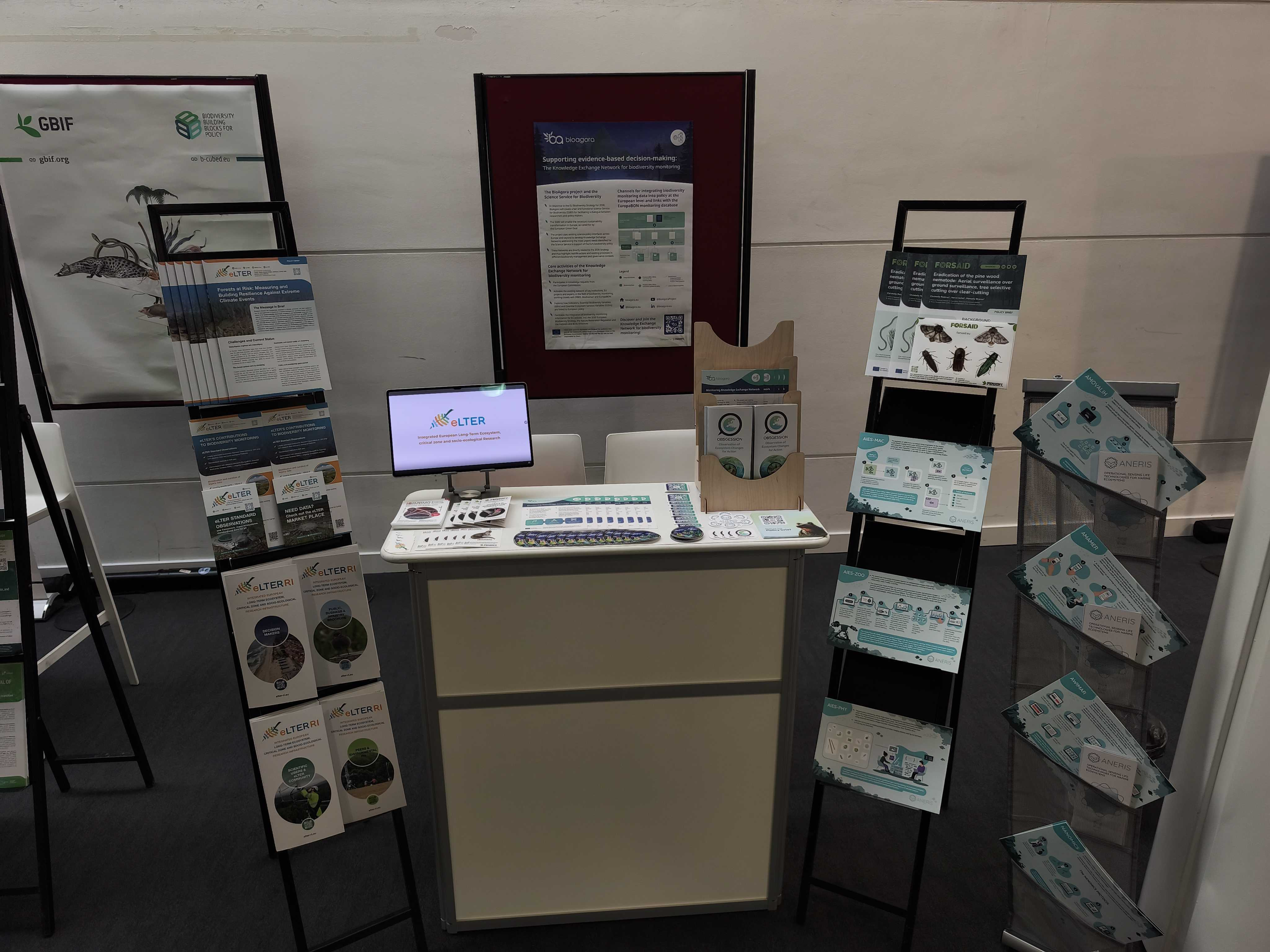
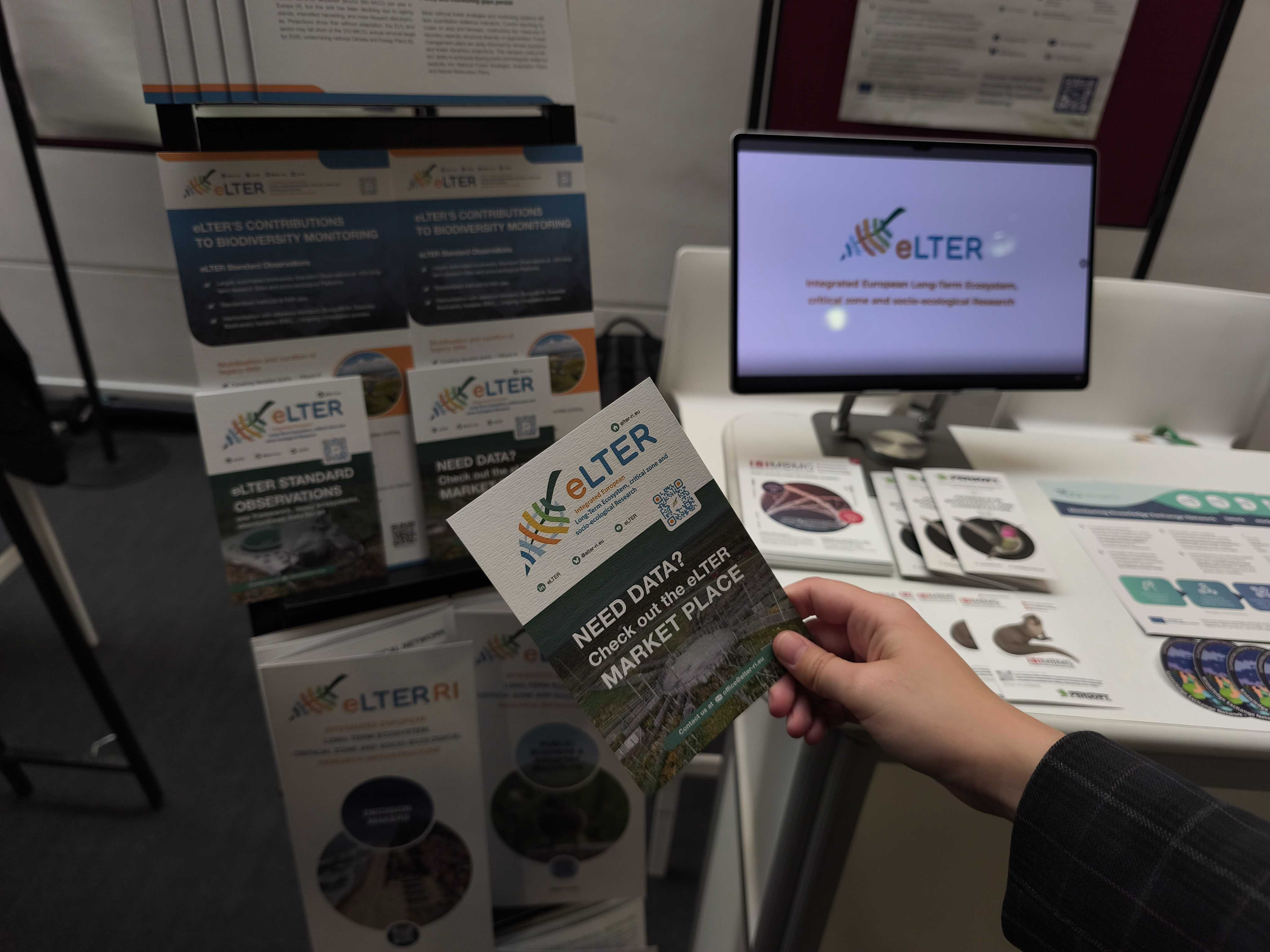
On the photos: eLTER dissemination materials displayed at BioMonWeek 2025 at the Pensoft Publishers' booth
Another important takeaway from the event was the increasing convergence between ecological research infrastructures, open data ecosystems, and community-driven monitoring initiatives. Several contributions demonstrated how long-term monitoring efforts depend not only on technological innovation, but also on sustained collaboration between researchers, institutions, citizen scientists, and policy stakeholders.
Overall, BioMonWeek 2026 provided an inspiring overview of current developments in biodiversity monitoring and reinforced the importance of long-term, interoperable, and collaborative research infrastructures for addressing biodiversity change at multiple scales.

About the author:
Allan T. Souza is a University researcher at the Institute for Atmospheric and Earth System Research (INAR), University of Helsinki. His research interests include the climate drivers on species distribution and population dynamics, the impacts of biological invasions on ecosystems and wildlife management. Additionally, he is heavily involved in research data stewardship, ensuring the quality, accessibility, and usability of environmental data, facilitating data-driven research and informed decision-making.
https://allantsouza.netlify.app/